
Core materials / 01
ABS
Material position
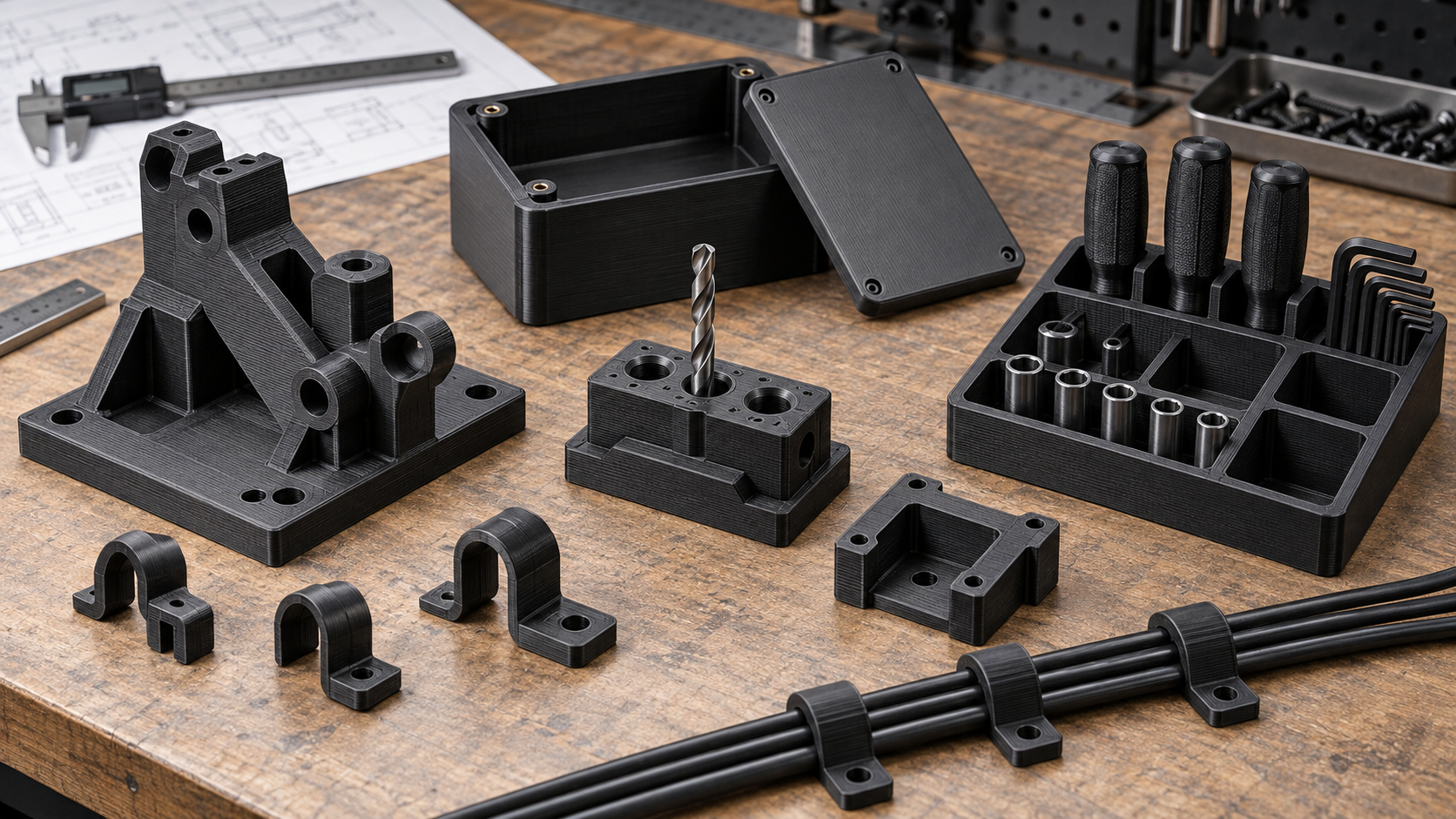
ABS is an acrylonitrile-butadiene-styrene engineering-plastic direction focused on toughness, impact resistance and heat performance.It suits prototypes that need clear assembly relationships and structural boundaries, including fixtures, enclosures, locating clamps and tool organisers. Holes, openings, snap details and thicker sections help assess ABS through engineered form.Choose a colourBlack
Selection notes
Choose ABS by considering whether the part faces assembly, impact, temperature or long-term structural-stability demands. Enclosure wall thickness, fixture load direction, hole tolerance and thermal shrinkage in larger parts need to be considered together; higher forming temperature and a controlled environment commonly help reduce warping and layer issues.
- Filament diameter
- Pending formal verification
- Net content
- Pending formal verification
- System
- Pending formal verification
- Nozzle
- Pending formal verification
- Heated bed
- Pending formal verification
- Storage
- Pending formal verification
Material
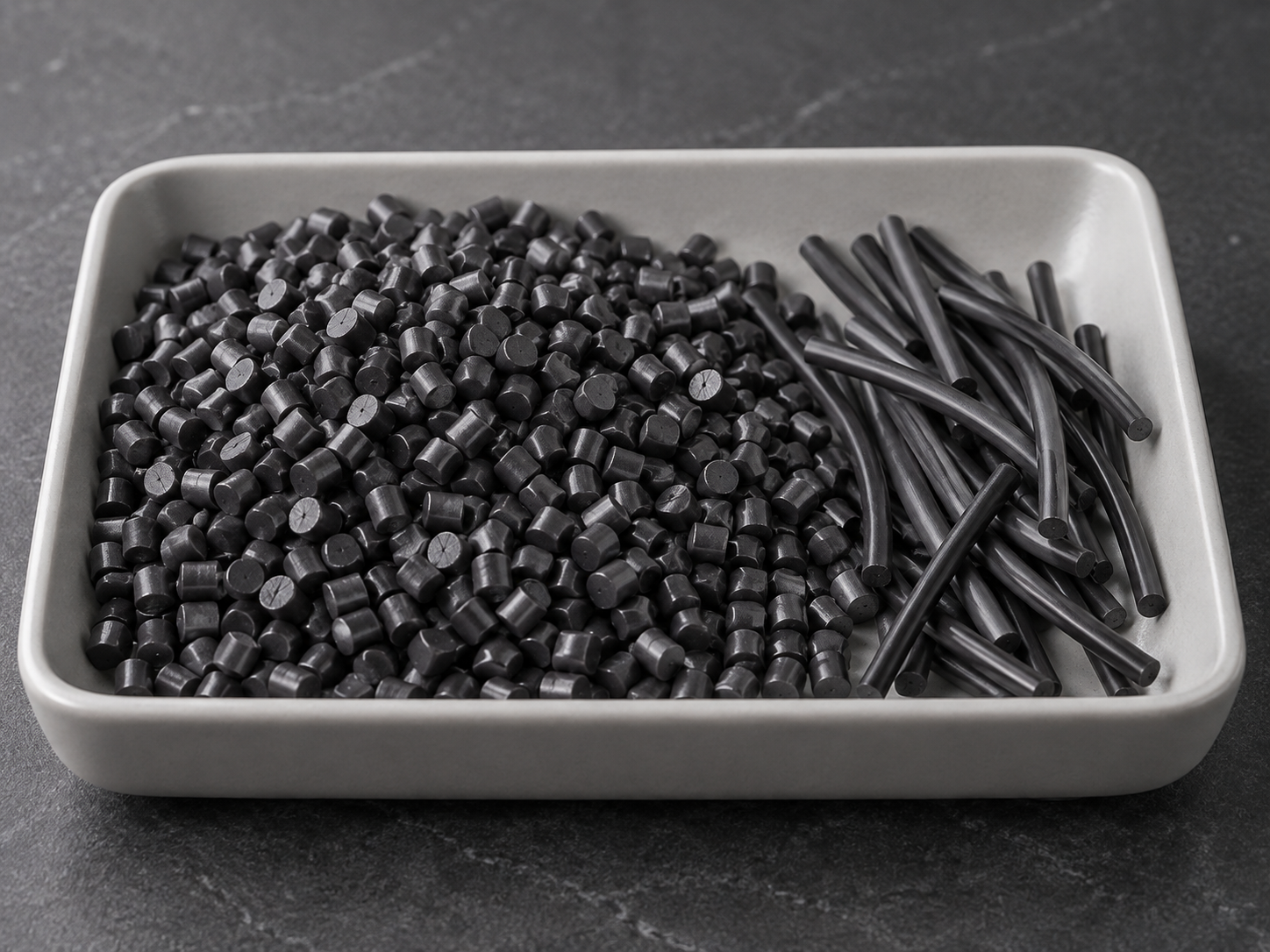
ABS is made from acrylonitrile, butadiene and styrene and is a common engineering thermoplastic. Its character comes from the balance of those components: styrene contributes rigidity and surface quality, acrylonitrile supports heat and chemical resistance, while butadiene is associated with toughness and impact response.

Context
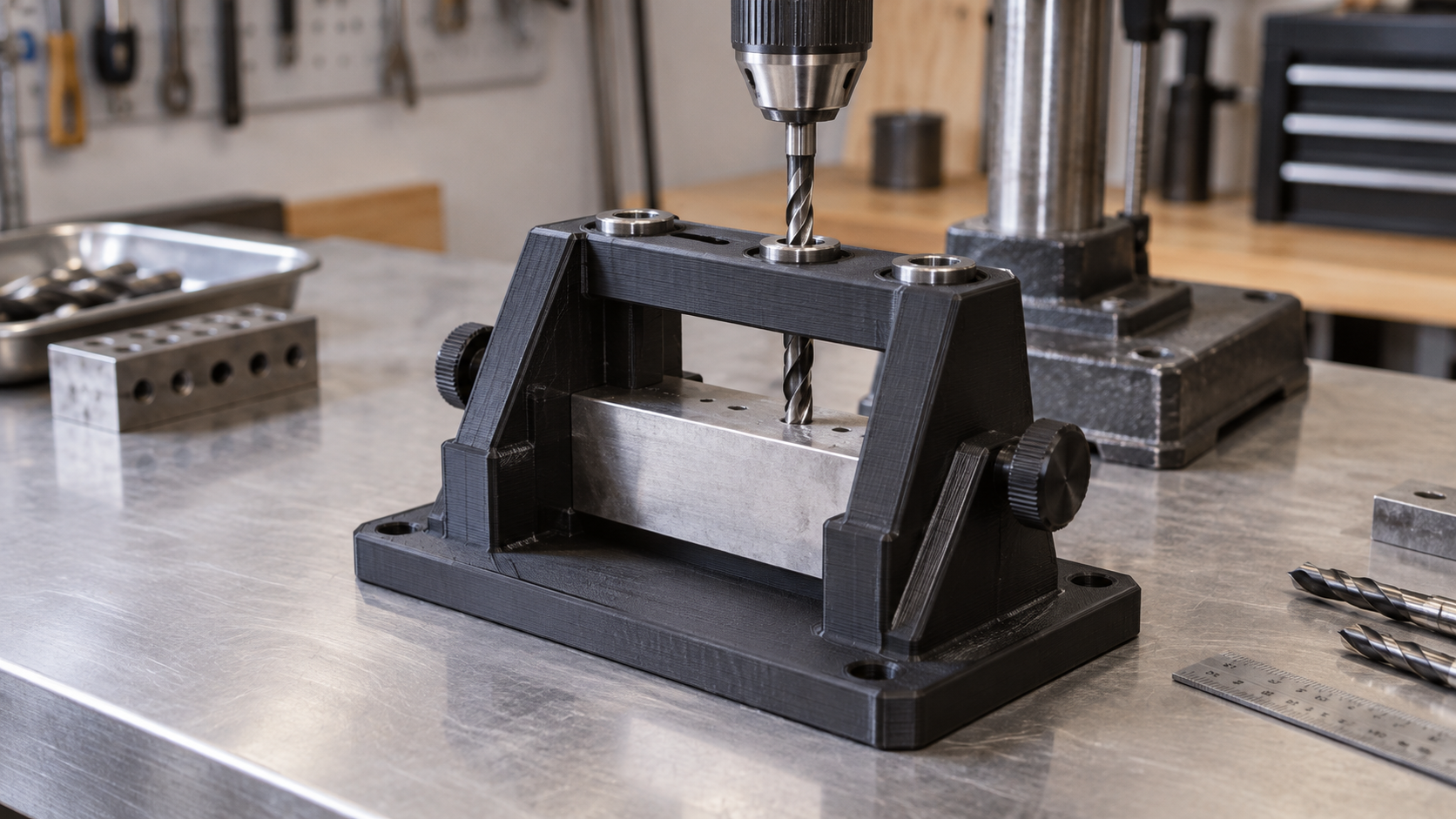
At an assembly bench, fixtures and enclosures must place, locate and repeatedly receive parts with consistency. ABS's toughness, impact resistance and heat-performance direction make it useful to explore engineered aid parts needing clear fit, local load handling and a sustained use rhythm.Technical downloads
Formal technical records pending verificationFormal technical records remain pending verification; this page does not offer an unconfirmed download.