
How material is seen

Colour, gloss, layer trace, edge, and volume do not appear in fixed ways. They change with the scale of the object, the direction of light, and viewing distance.

Material is read by comparing these changes from one viewpoint: this shows which surface relationships are amplified, softened, or reorganised, and how form appears in making.

Material observation

Object and context

Records an object’s scale, contact points, and use context, including how it is placed, handled, or repeatedly used. Returning material to the making and use situation clarifies its visual focus, structural position, and surface presence, giving later images one shared basis for judgement.


Colour and surface

Records changes in colour, gloss, layer trace, and edge, observing how they appear across distance, angle, and light. A surface is not a fixed colour block: subtle transitions, reflections, and relationships between layers change how it is seen. Bringing these changes together lets different images describe one visual relationship.

Form and structure

Records volume, joining, openings, and internal organisation to see how material participates in an object’s form. Curves, transitions between parts, and edge treatment change how the object is viewed and how its surface appears, showing how material enters a complete object.

How material becomes an object

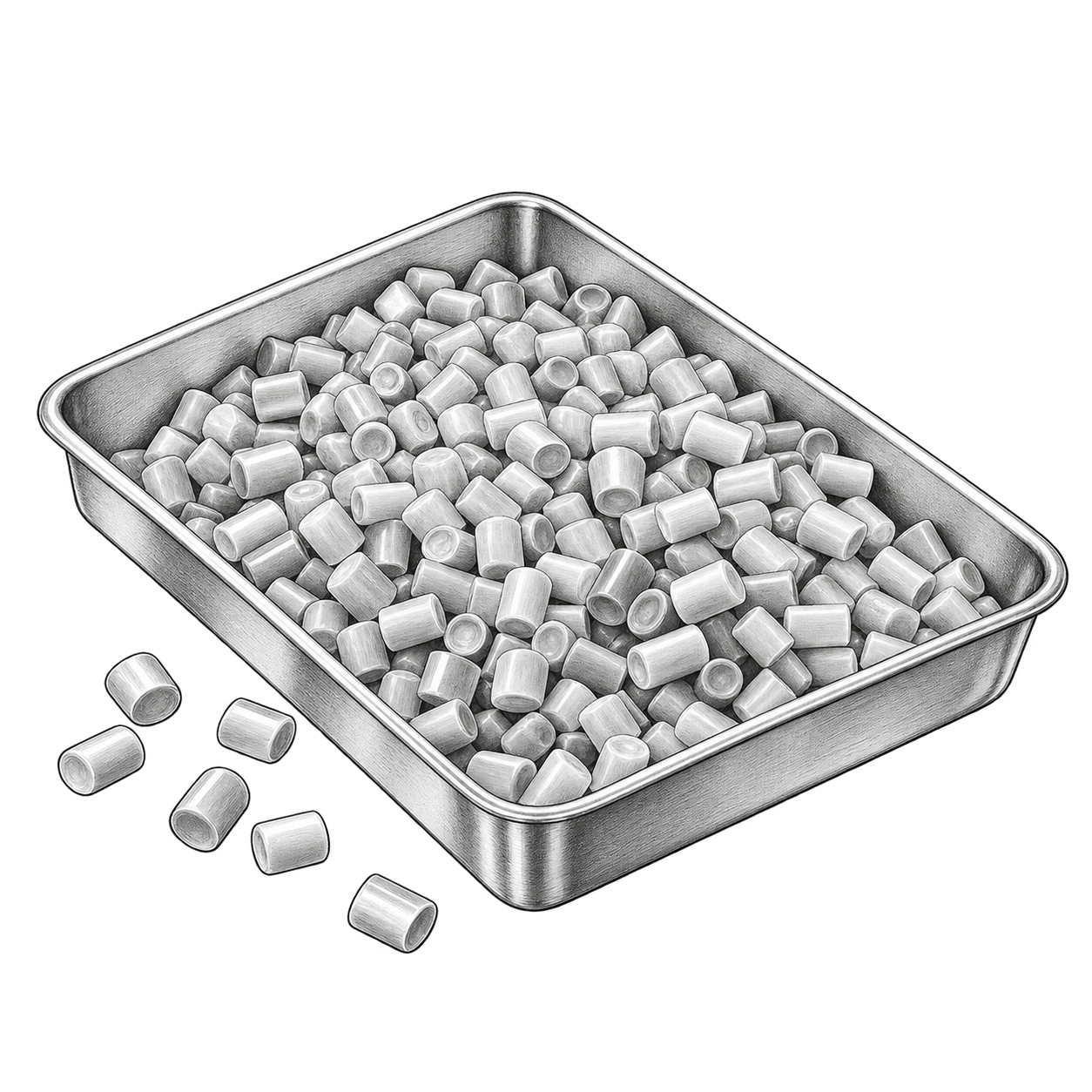
  1. Feedstock

    Feedstock is the material before it becomes usable filament. Its colour, translucency, and overall grain are first visible here, forming the starting point for observing later filament and objects.

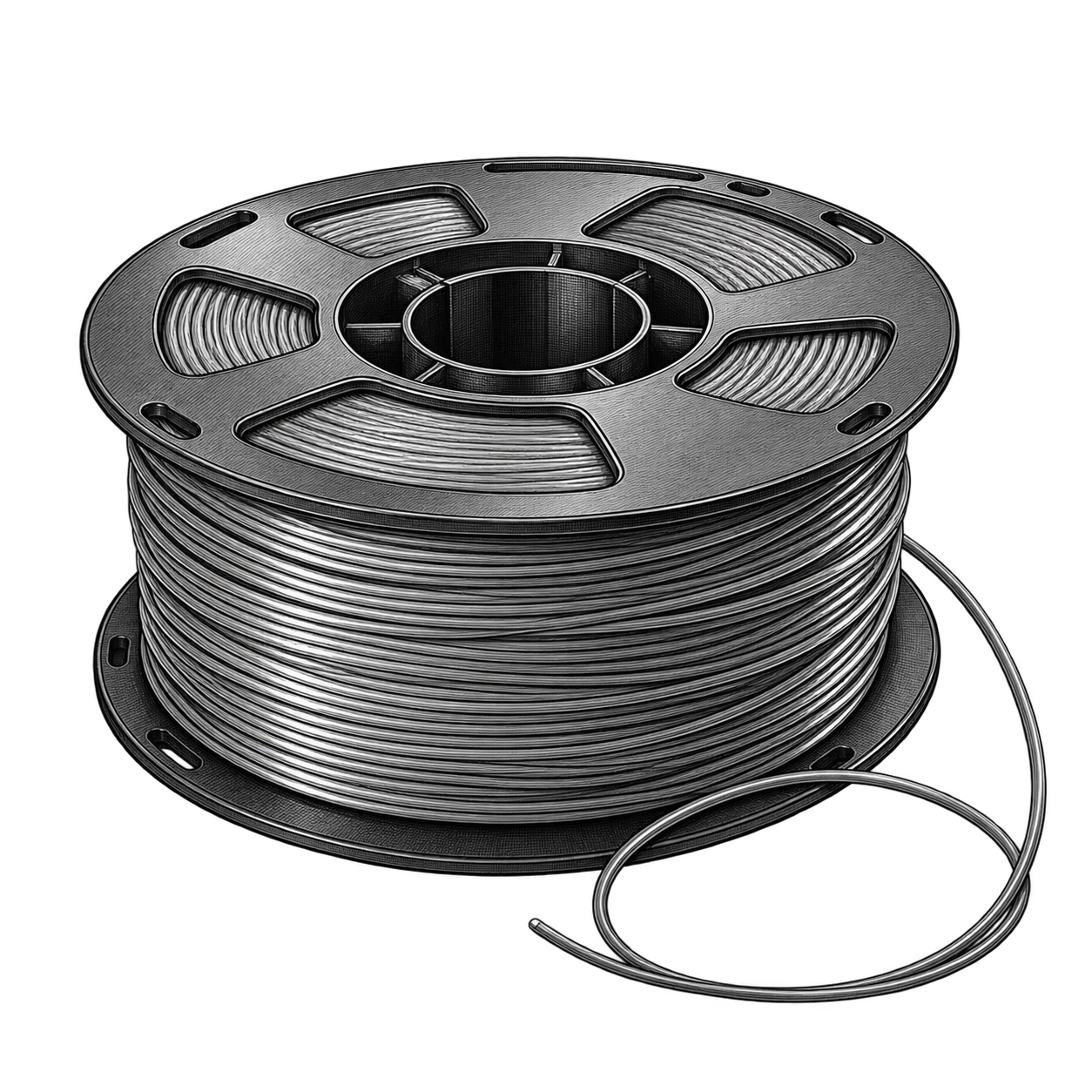
  2. Filament

    Filament arranges the material into a continuous, usable form. Winding, cross-section, and surface reflection make colour and gloss legible across its length.

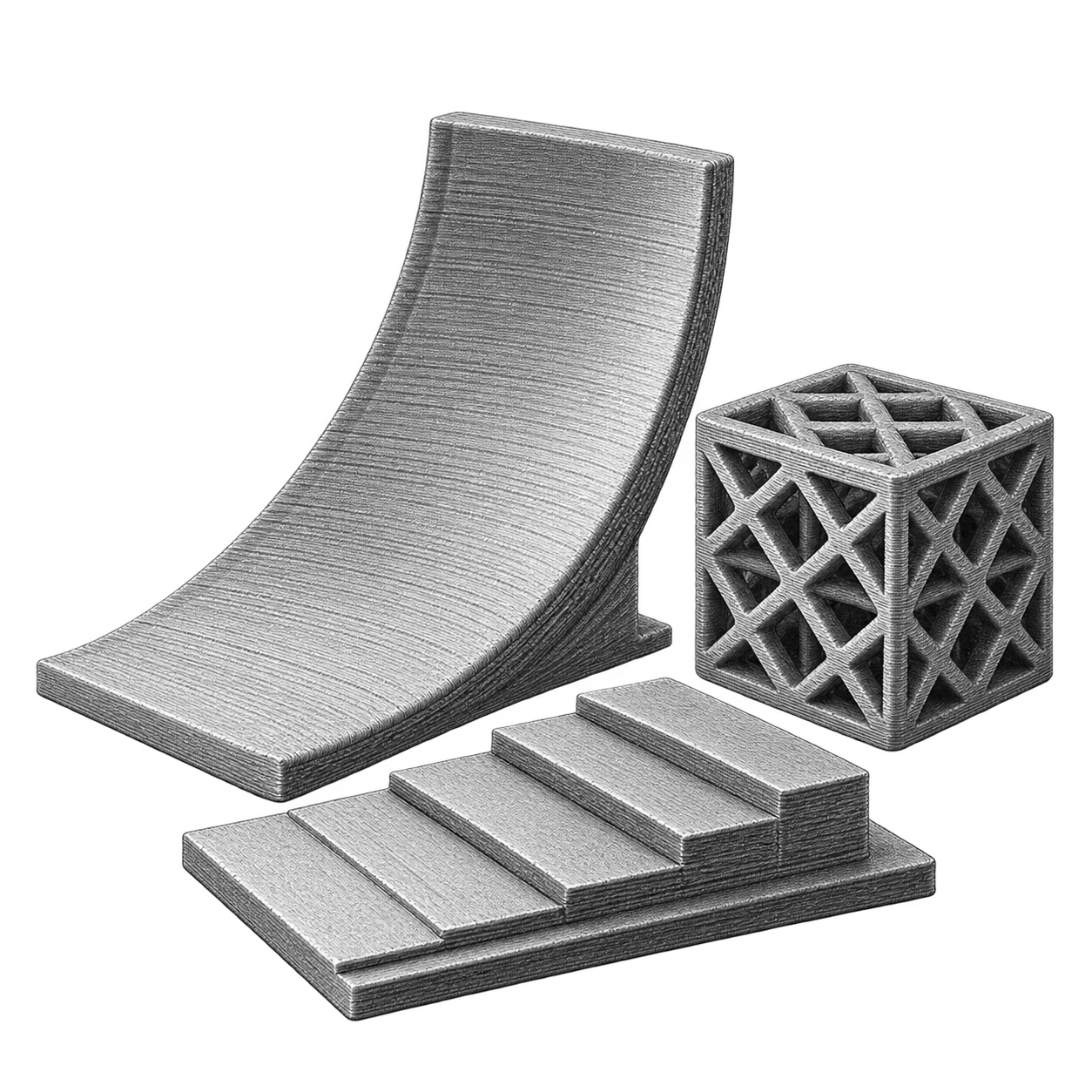
  3. Printed object

    The printed object is where material is seen in its final form. Layer traces travel across curves, edges, and joins, bringing colour, surface, and volume into one visible relationship.

From observation to selection

Use the three directions—core materials, color and surface, and functional and composite—to locate the material records you need.

View full product directory