
Color & surface / 01
PLA Rainbow
Material position
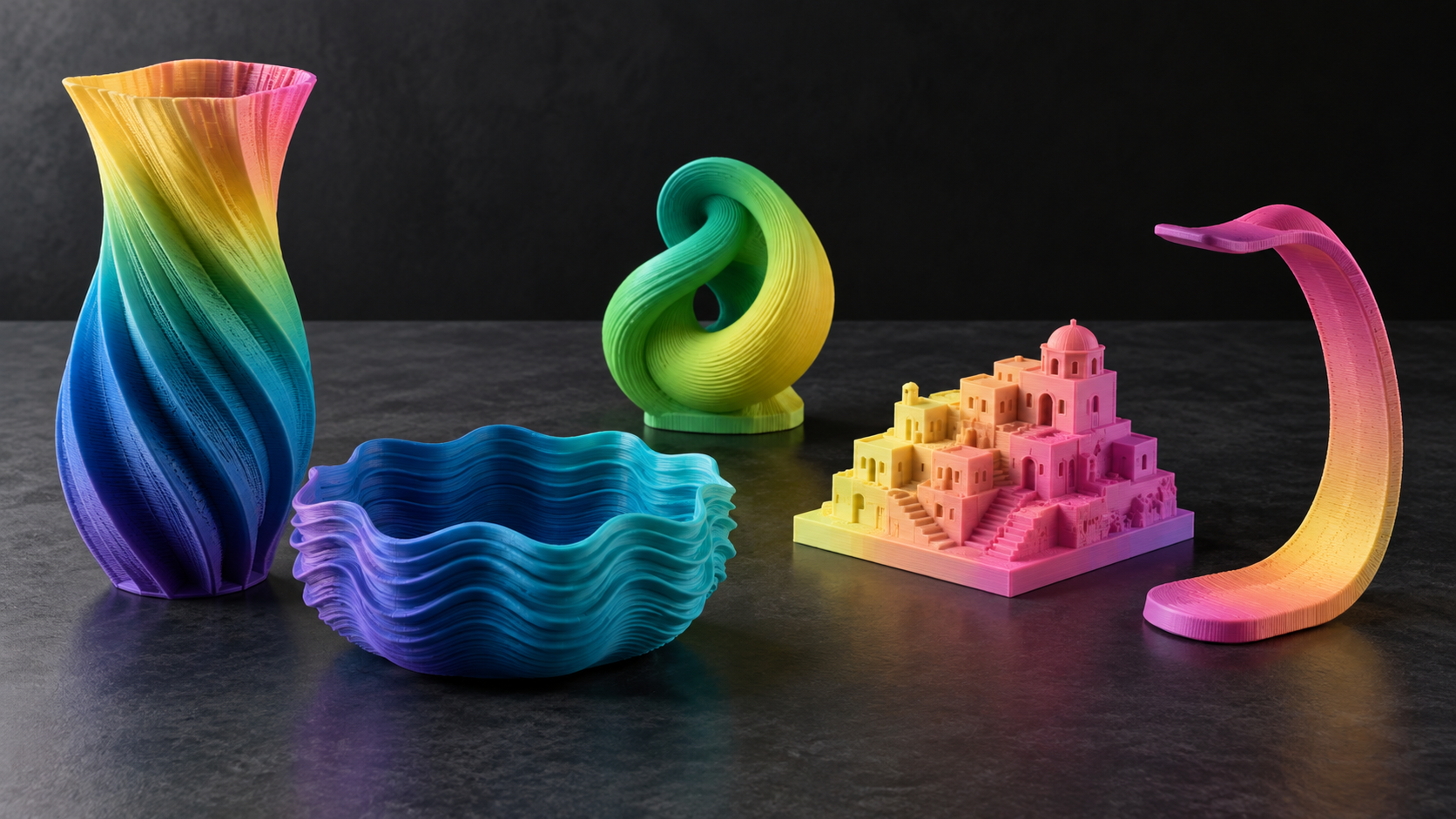
PLA Rainbow arranges continuous colour changes along the length of PLA filament.As printing consumes filament, colour changes across an object's height or toolpath. Broad curves, flowing vases and display models integrate transitions into their geometry; size, orientation and material consumption influence how the gradient develops.Choose a colourViolet blue
Selection notes
Consider model volume, walls and filament consumption when choosing rainbow effects. The same filament sequence can produce different colour-band widths in large and small objects, while continuous toolpaths affect transition positions.
- Filament diameter
- Pending formal verification
- Net content
- Pending formal verification
- System
- Pending formal verification
- Nozzle
- Pending formal verification
- Heated bed
- Pending formal verification
- Storage
- Pending formal verification
Material
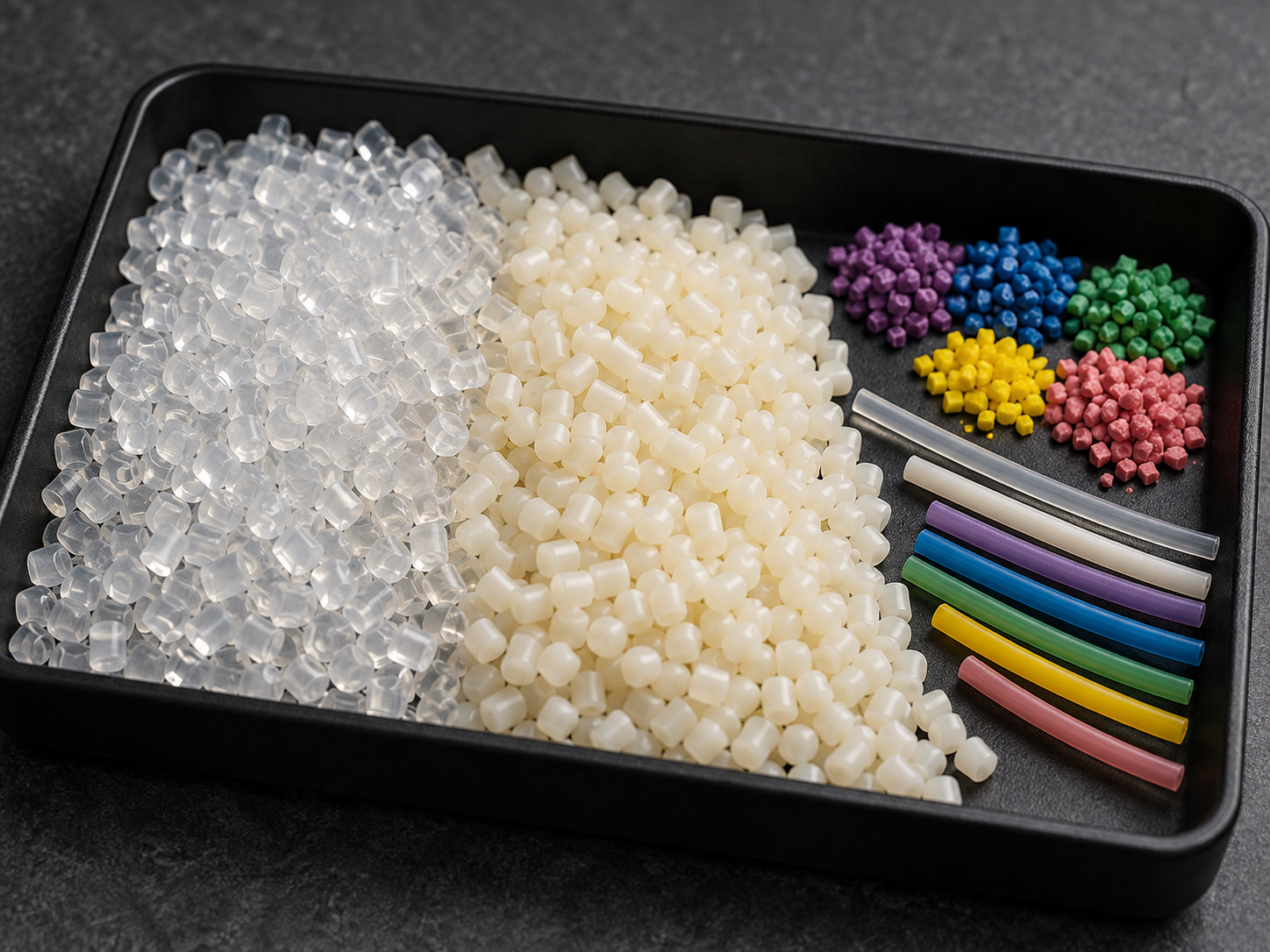
PLA Rainbow uses a polylactic-acid base with colours arranged sequentially along continuous filament. Colour develops with feeding progress rather than being applied after printing.
Context
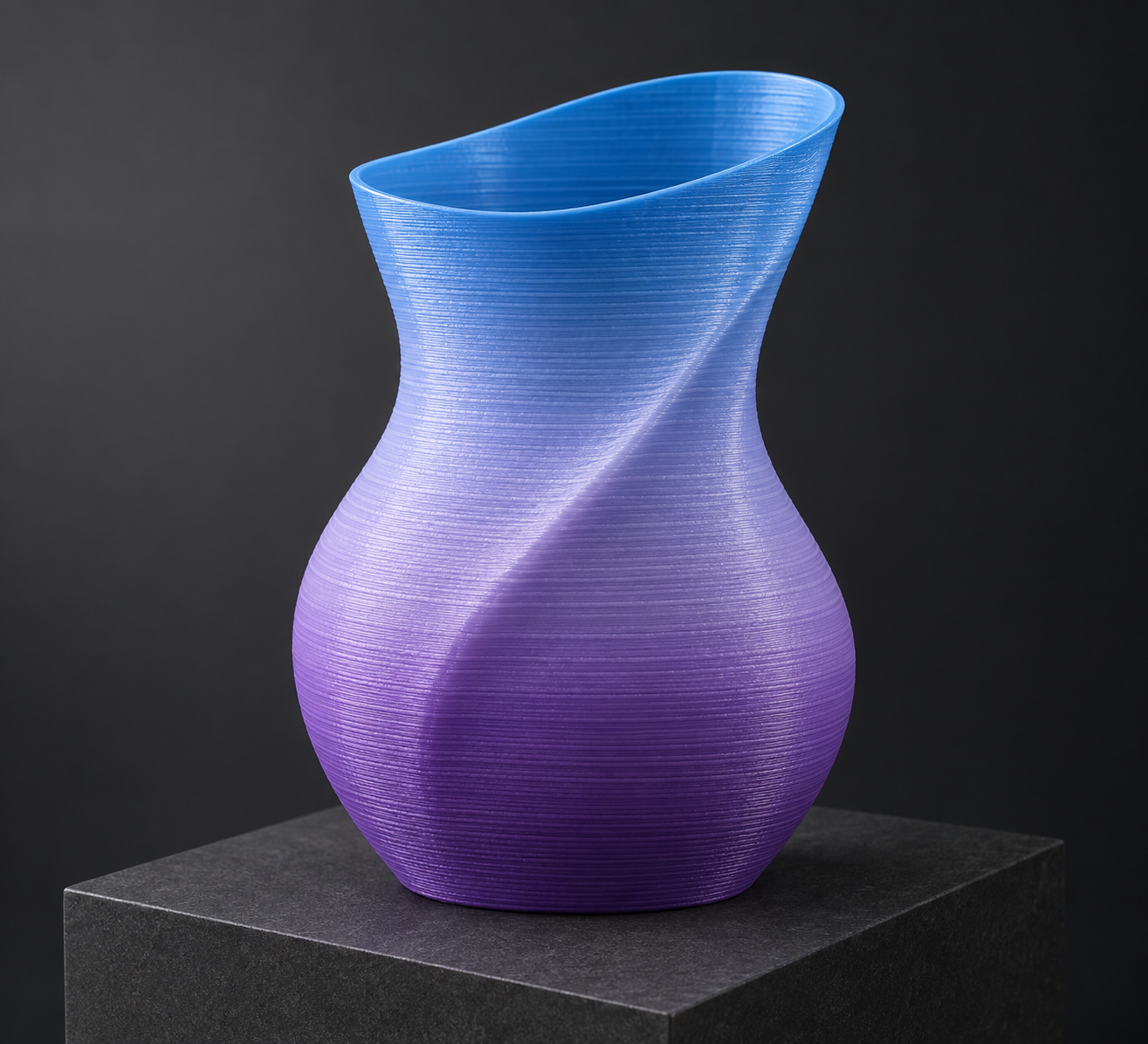
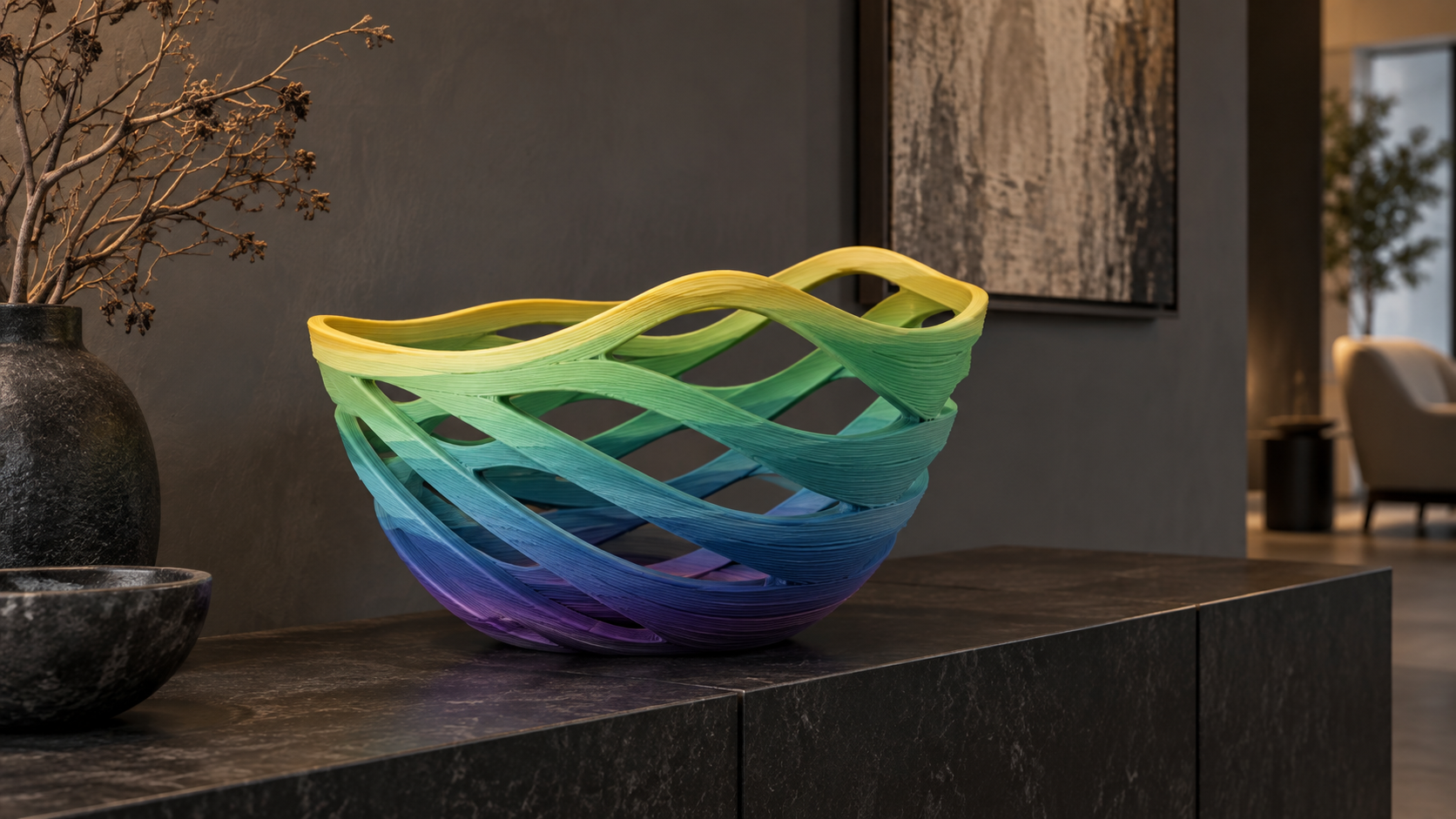
A gradient can organise visual depth when a decorative setting calls for richness within one object. PLA Rainbow changes colour along the printed path, bringing volume, curves and cool-to-warm relationships into desktop display design.Technical downloads
Formal technical records pending verificationFormal technical records remain pending verification; this page does not offer an unconfirmed download.